
 By Leo Eva
Introduction: A Calling Beyond Care
Veterinary medicine is more than a career—it is a calling rooted in compassion, science, and an unyielding dedication to life. While human doctors tend to the health of people, veterinarians navigate a far broader spectrum, treating creatures who cannot speak, often hiding their pain behind instinct. Whether it’s the family dog, a rescued bird, a champion racehorse, or livestock supporting an entire community, veterinarians ensure the health, safety, and dignity of animals in every environment. Their role is vital, complex, and deeply human at its core.
The Multifaceted Realm of Veterinary Medicine
Veterinary science spans an impressive range of disciplines, much broader than commonly perceived. Far from limited to pet clinics, veterinary professionals work in agriculture, zoology, research, public health, and even disaster response. Their reach impacts not only animals but the health and safety of global ecosystems and human populations alike.
-
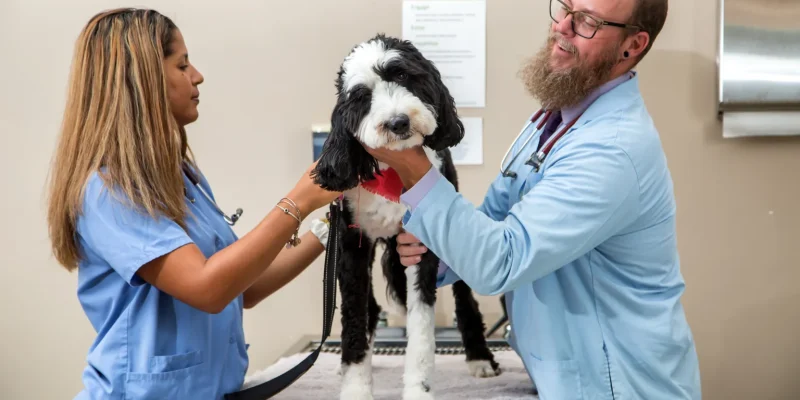
Companion Animal Practice: Focused on domestic pets such as cats, dogs, rabbits, and birds. These veterinarians handle routine wellness exams, surgeries, diagnostics, vaccinations, and chronic disease management
-
Large Animal and Livestock Practice: These vets serve farms and ranches, tending to cattle, pigs, sheep, and goats. Their work involves disease prevention, reproductive health, nutrition, and maintaining food safety
-
Equine Veterinary Services: Specializing in the care of horses, these professionals often work in rural or sporting environments, providing everything from orthopedic care to emergency services
-
Wildlife and Exotic Animal Medicine: In zoos, sanctuaries, or remote conservation sites, veterinarians care for endangered species, reptiles, birds, and other non-domestic animals
-
Veterinary Public Health: A critical domain that bridges the gap between animal and human health, focusing on zoonotic diseases, food safety, and epidemiology
Each specialization demands a distinct skill set, but all share the same core values: preservation of life, ethical responsibility, and compassionate care.
The Journey to Becoming a Veterinarian
Becoming a veterinarian is no small feat. It requires years of rigorous academic training, clinical experience, and emotional resilience. The path typically involves:
-
Earning a bachelor’s degree in biology, animal science, or a related field
-
Completing a Doctor of Veterinary Medicine (DVM) degree, a four-year intensive program that includes anatomy, pathology, pharmacology, and surgery
-
Passing licensing exams, followed by potential specialization through internships or residencies
Throughout this journey, students not only master medical science but also learn to handle the emotional weight of their work—delivering both joyous recoveries and difficult farewells.
Preventive Care: A Pillar of Veterinary Practice
Much like in human healthcare, prevention is the cornerstone of veterinary medicine. Early detection and routine care can prevent illness, reduce suffering, and prolong the life of an animal.
-
Vaccinations protect against diseases like rabies, distemper, parvovirus, and feline leukemia
-
Routine wellness checks detect underlying health issues before they escalate
-
Parasite control ensures pets and livestock are free from fleas, ticks, heartworms, and internal parasites
-
Nutrition counseling educates owners on species-appropriate diets and dietary deficiencies
Preventive veterinary care is a partnership between pet owners and professionals—a proactive approach that fosters longevity and quality of life.
Surgical and Diagnostic Advancements
Modern veterinary medicine reflects extraordinary progress, mirroring many of the techniques and technologies found in human healthcare.
-
Diagnostic imaging such as X-rays, ultrasound, CT scans, and MRIs assist in accurate diagnoses
-
Advanced surgeries, including orthopedic procedures and minimally invasive techniques, are increasingly common
-
Laboratory testing provides insights into blood chemistry, hormonal balance, and infectious disease
-
Dental care, often overlooked, has become integral in treating chronic pain and infection in pets
These innovations not only save lives but enhance comfort and mobility, ensuring that animals live not just longer, but better.
Emotional Intelligence and Ethical Responsibility
Veterinarians are often called upon to make profound decisions that balance science with ethics. Their work is inherently emotional—replete with moments of triumph, heartbreak, and moral complexity.
-
Euthanasia, one of the most challenging aspects of the profession, requires both compassion and communication. Vets help owners navigate end-of-life decisions with grace and empathy
-
Animal abuse cases may require veterinarians to act as witnesses, protectors, and advocates for the voiceless
-
Client counseling involves translating medical realities into understandable terms, offering support in times of uncertainty
Empathy is not just an asset—it is a necessity in veterinary medicine. It shapes not only how care is delivered but how trust is built between humans and their animal companions.
The Global Importance of Veterinary Public Health
In an increasingly interconnected world, veterinarians play a pivotal role in global health. The COVID-19 pandemic reinforced the urgency of the “One Health” initiative, which recognizes the link between animal, human, and environmental health.
-
Zoonotic disease monitoring (illnesses that jump from animals to humans) is a primary concern
-
Food safety inspection ensures livestock products are free of disease and contaminants
-
Epidemiological research helps prevent outbreaks by identifying patterns and causes
-
Environmental conservation depends on veterinarians working alongside ecologists and biologists to maintain biodiversity and manage wildlife populations
Veterinary medicine is not confined to clinics—it is foundational to public safety, sustainable agriculture, and ecological balance.
Challenges in the Profession
Despite the nobility of the work, veterinarians face numerous challenges. The profession is demanding, both physically and emotionally.
-
Long hours, emergency calls, and physical strain are common
-
Emotional exhaustion and compassion fatigue affect many in the field
-
Financial burden, including student loans and the cost of running a practice, can be overwhelming
-
Underappreciation remains an issue, with many unaware of the breadth and depth of veterinary responsibilities
Support systems, continuing education, and increased public awareness are essential to sustaining the well-being of these unsung heroes.
Conclusion: The Quiet Champions of Compassionate Science
Veterinarians are among the most dedicated professionals in the world, balancing medical expertise with emotional wisdom, science with empathy. Their influence spans continents and species, protecting the fragile connections between animals and humans. They care for the creatures we love, preserve the balance of ecosystems, and serve as the last line of defense against disease and suffering.
In celebrating the veterinary profession, we affirm a larger truth—that the health of all living beings is intertwined. Whether it’s through a gentle examination, a complex surgery, or simply offering comfort in a pet’s final moments, veterinarians illuminate a path of care that honors life in all its beautiful forms.