
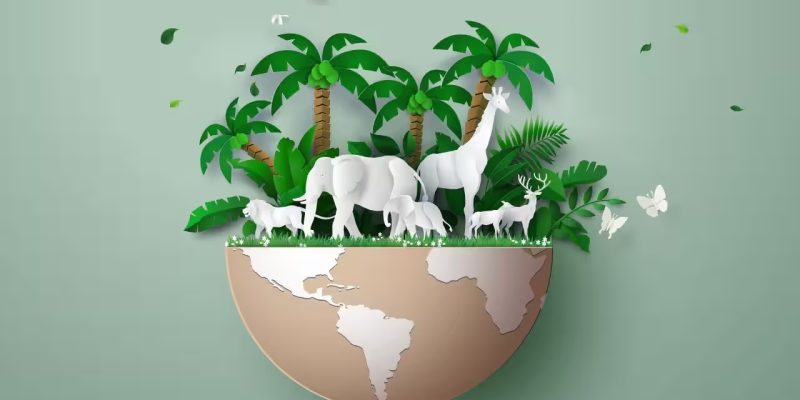
Animals

The Silent Symphony of the Wild: A Deep Dive into the World of Animals

Introduction: A World Beyond Ours

The animal kingdom is an exquisite orchestration of nature’s creativity, resilience, and diversity. From the silent prowl of a snow leopard in the Himalayas to the thunderous migration of wildebeests across the Serengeti, animals embody a universe of stories far richer and more complex than we often acknowledge. They are not merely inhabitants of the earth; they are its soul, its rhythm, and in many ways, its conscience.

The Diversity of Life Forms

Animals, classified scientifically under the kingdom Animalia, range from microscopic invertebrates to the colossal blue whale, the largest creature to ever exist. What unites this vast spectrum is their ability to move voluntarily, consume organic material, and exhibit sensory responses. Yet within this unity lies boundless variety.

  • Mammals: Warm-blooded and mostly viviparous, mammals like lions, whales, and humans are known for their nurturing behaviors and complex social systems.

  • Birds: Creatures of flight and feathers, birds not only enchant with their colors and songs but also play crucial ecological roles in pollination and seed dispersal.

  • Reptiles and Amphibians: Often misunderstood, reptiles and amphibians are evolutionary marvels, having survived countless climatic shifts and mass extinctions.

  • Invertebrates: From butterflies to octopuses, invertebrates defy their lack of backbone with extraordinary intelligence, adaptability, and ecological importance.

Interconnectedness in the Animal Kingdom

Every species plays a role in the balance of ecosystems. Predators control prey populations, herbivores regulate vegetation, and decomposers recycle nutrients. The extinction of even a single species can trigger cascading effects that disrupt entire ecosystems. Consider the case of the gray wolf’s reintroduction into Yellowstone National Park—a single predator’s return restored balance to a troubled environment, influencing everything from deer behavior to river patterns.

Intelligence and Emotion in the Wild

It is a fallacy to assume that humans possess a monopoly on intellect or emotion. Numerous animal species display signs of problem-solving, empathy, grief, and even cultural learning.

  • Elephants mourn their dead and maintain complex social bonds over decades.

  • Crows and ravens use tools, recognize faces, and even engage in what appears to be play.

  • Dolphins communicate using signature whistles and exhibit behaviors akin to self-awareness and cooperation.

Recognizing this emotional and cognitive depth shifts the ethical framework through which we view animals—from commodities or curiosities to sentient beings deserving of respect.

Animals and Human Civilization

Animals have always been intricately woven into the fabric of human culture and survival. They have served as companions, laborers, sources of food, and symbols of power and spirituality.

  • Domesticated animals like dogs, horses, and cattle have supported agriculture, transportation, and security.

  • Sacred animals such as cows in Hinduism or eagles in Native American tradition reflect spiritual reverence.

  • Folklore and literature abound with animal metaphors, from Aesop’s fables to modern animated cinema, underscoring their symbolic and emotional weight in human storytelling.

Yet this bond is not without contradiction. As much as humans have revered animals, they have also exploited them—through factory farming, poaching, deforestation, and climate change.

Conservation: A Moral and Ecological Imperative

Today, over one million animal species face extinction, many within decades, according to the UN. Habitat destruction, pollution, and illegal wildlife trade are accelerating this decline at an alarming rate.

Efforts to counteract this crisis include:

  • Protected Reserves and National Parks: Sanctuaries where wildlife can exist without human interference.

  • Breeding and Reintroduction Programs: Scientific efforts to reestablish endangered species in the wild.

  • Legislation: Laws like the Endangered Species Act help regulate hunting, trade, and habitat encroachment.

  • Community-Based Conservation: Empowering indigenous and local communities to safeguard biodiversity through sustainable practices.

But real change requires not just policy, but a cultural shift in how we value non-human life.

How Individuals Can Make a Difference

While institutional actions are crucial, individuals hold significant power in shaping the future of animals.

  • Adopt, don’t shop: Support animal shelters rather than breeders.

  • Minimize meat consumption: Opting for plant-based meals reduces the demand for industrial livestock farming.

  • Avoid products with animal exploitation: Be wary of cosmetics, fashion, and entertainment that harm animals.

  • Support ethical tourism: Choose wildlife experiences that respect animal welfare over those that capitalize on captivity.

The Philosophical Lens: Who Are We Without Them?

In a deeper sense, animals challenge us to confront our own place in the world. Their presence compels humility—reminding us that intelligence, beauty, and purpose are not exclusive to our species. They invite empathy, urging us to look beyond language for connection. And perhaps most poignantly, they offer us a mirror: for in their freedom, we glimpse our lost wildness; in their vulnerability, our shared fate.

Conclusion: Coexistence, Not Domination

The narrative of animals is not a subplot in the story of human progress. It is a parallel epic, unfolding silently beside ours, filled with struggle, triumph, and profound significance. Whether we marvel at the song of a nightingale or observe the meticulous labor of an ant colony, we are witnessing the expression of life in its most elemental, most enchanting form.

To protect animals is not merely an act of kindness. It is an act of justice. A recognition that their right to exist, to thrive, and to be free is not beneath our concern—but at the heart of what it means to be truly human.

What is your reaction?

Excited
0
Happy
0
In Love
0
Not Sure
0
Silly
0

You may also like

Comments are closed.

More in:Animals