 By Leo Eva
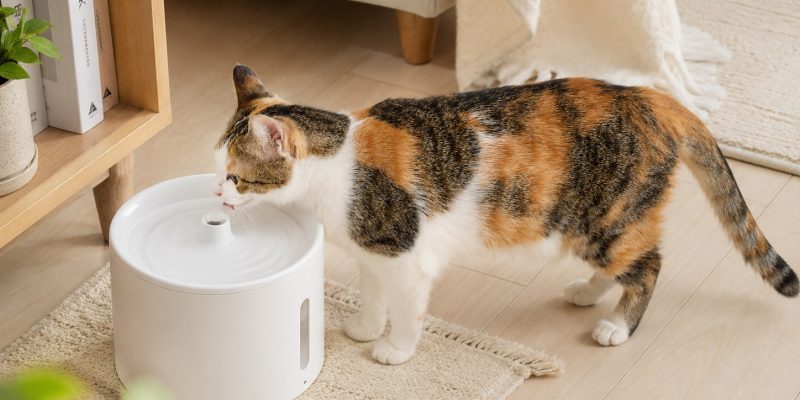
Hydration is one of the most critical aspects of maintaining long-term health for domestic pets like cats and dogs. In the wild, animals instinctively avoid standing water sources because stagnant pools often harbor harmful bacteria, parasites, and debris. This evolutionary preference translates directly into domestic life, where many cats and dogs turn their noses up at a traditional bowl of water sitting stagnant on the kitchen floor. Investing in a pet water fountain is an effective solution to this natural aversion. By providing a continuous stream of moving, oxygenated, and filtered water, these devices encourage pets to drink more frequently, which prevents urinary tract issues, kidney disease, and dehydration. However, choosing the right fountain requires understanding the various materials, power sources, and filtration designs available on the market today.
Stainless Steel Water Fountains
When it comes to durability, hygiene, and overall longevity, stainless steel pet water fountains stand out as the gold standard among pet owners and veterinarians alike. Unlike plastic alternatives, stainless steel surfaces are non-porous, meaning they do not harbor microscopic bacteria or absorb stubborn odors and food oils over time.
-
Hygienic Properties: The smooth surface resists biofilm accumulation, making it much easier to clean thoroughly during routine weekly maintenance.
-
Dishwasher Safe: Most stainless steel bowls and components can be placed directly into a standard household dishwasher for high-heat sanitation.
-
Aesthetic Appeal: These fountains feature sleek, modern designs that blend seamlessly into contemporary home decor without looking like clunky pet accessories.
While stainless steel fountains generally carry a higher upfront price tag compared to their plastic counterparts, their exceptional durability and resistance to rust make them a worthwhile long-term investment for households with multiple pets.
Ceramic and Porcelain Fountains
For pet owners looking to balance aesthetic elegance with functional health benefits, ceramic and porcelain water fountains offer a heavy-duty, attractive alternative. Ceramic models are prized for their substantial weight, which prevents enthusiastic dogs or playful cats from tipping the entire unit over while drinking.
-
Weight and Stability: The heavy mass of ceramic material ensures the fountain stays firmly planted on the floor, even in multi-pet households.
-
Natural Temperature Regulation: Ceramic naturally helps keep water cooler for longer periods compared to thin plastic bowls exposed to ambient room warmth.
-
Scratch Resistance: High-fired glazed ceramic resists surface scratches that can otherwise trap bacteria and mineral deposits.
The primary drawback of ceramic fountains is their fragility. Dropping a ceramic basin during cleaning can result in immediate cracking or shattering, requiring careful handling during routine maintenance sessions.
Plastic and Polymer Fountains
Plastic pet water fountains represent the most common and budget-friendly option available in pet supply stores. They are lightweight, come in a wide array of vibrant colors and whimsical shapes, and are easy to find online or in local retail shops.
-
Affordability: Low initial manufacturing costs make plastic fountains accessible to almost any pet owner on a tight budget.
-
Variety of Designs: Manufacturers offer endless configurations, from multi-tier cascading streams to flower-spout bubblers that appeal to picky drinkers.
-
Lightweight Portability: The lightweight nature of plastic makes these units easy to pick up, empty, and transport when traveling.
Despite their popularity, plastic fountains require meticulous cleaning. Over time, microscopic scratches form on the plastic surface from washing and everyday use, providing microscopic hiding spots for bacteria and mold. Many veterinarians recommend replacing plastic fountains annually to maintain optimal hygiene.
Cordless and Battery-Operated Fountains
One of the newest innovations in pet hydration technology is the cordless, battery-operated water fountain. Traditional fountains require a continuous electrical plug, which limits placement options and creates tripping hazards or enticing chew targets for mischievous pets.
-
Placement Freedom: Without a power cord tethering the unit to a wall outlet, you can place the fountain in hallways, bedrooms, or closets far away from electrical sockets.
-
Motion Activation: Many cordless models feature built-in motion sensors that activate the water stream only when a pet approaches, conserving battery life and intriguing curious animals.
-
Safety from Chewing: Eliminating external electrical wires removes the risk of a pet chewing through a live cord, ensuring absolute safety for teething puppies or cats.
While battery-operated fountains offer unmatched versatility, they require regular recharging or battery replacements, and their motor pumps are sometimes less powerful than standard plug-in units.
Filtration Systems and Maintenance Considerations
Regardless of which material or power source you choose, the internal filtration system is the heart of any pet water fountain. Most units utilize a multi-stage filtration process designed to purify the water continuously throughout the day.
-
Pre-Filter Sponges: These catch large debris, floating pet hair, and food particles before they reach the main motor pump, preventing clogs and motor burnout.
-
Activated Carbon Layers: Carbon filters neutralize bad tastes, chemical odors, and chlorine, ensuring the water tastes crisp and clean with every sip.
-
Ion Exchange Resins: These specialized components help soften hard water by removing excess calcium and magnesium minerals.
Maintaining a fountain requires consistent effort. Filters typically need replacement every two to four weeks, and the water pump must be disassembled and cleaned of accumulated hair and slime every couple of weeks to maintain peak performance.
Frequently Asked Questions
Do cats really prefer moving water over a stagnant bowl?
Yes, cats possess an innate evolutionary instinct that associates moving water with safety and cleanliness, often ignoring still water in bowls because they assume it is contaminated or stale.
How often should I completely clean a pet water fountain and change the water?
You should top off the water daily, change the entire reservoir water twice a week, and perform a deep cleaning of the basin and motor pump every one to two weeks to prevent slime buildup.
Are pet water fountains noisy while running?
Noise levels vary by model; high-quality pumps are generally near-silent, producing only a gentle hum or soft trickling sound, whereas low-cost or aging pumps may develop a buzzing noise as water levels drop.
Can multiple pets share a single water fountain safely?
Yes, multi-tiered or large-capacity fountains are specifically designed for multi-pet homes, allowing several cats or dogs to drink simultaneously from different streams or basin levels.
What should I do if my cat is afraid of the new water fountain?
Introduce the fountain gradually by leaving it unplugged for the first two days so your cat can get used to its physical presence, then turn it on at its lowest flow setting once they show comfortable curiosity.
Do pet water fountains consume a significant amount of electricity?
No, pet water fountains utilize ultra-low-wattage submersible pumps that consume minimal electricity, costing mere pennies per month to run continuously on a standard household electrical circuit.