 By Leo Eva
Giving a puppy the appropriate quantity of food helps to grow with good health without becoming overweight. Contrary to the adult dogs, puppies need exact portions, which vary with the growth of the dog. This guide may be used as an instructional manual on calculating pet food for puppies (子犬 餌 量 計算) to feed growing puppies.
How to calculate proper food amounts for growing puppies
Weigh your puppy accurately
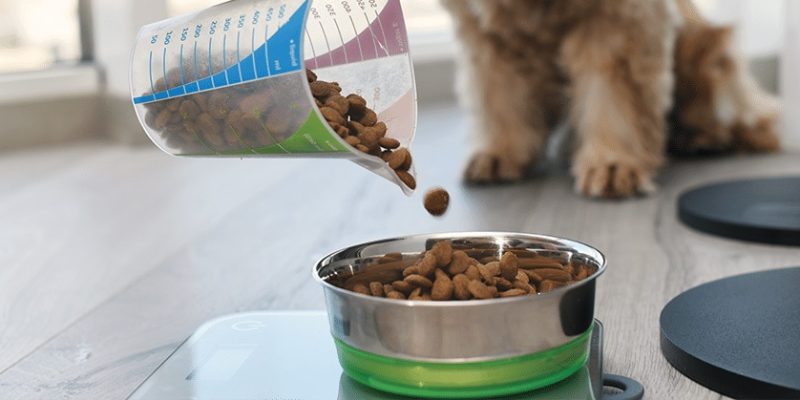
The first thing to do is to weigh the puppy on a pet scale or a bathroom scale to get the correct weight. Minus your own weight divided by the total weight to determine the weight of your puppy. Weigh the same day every week, preferably in the morning before the initial meal of the day.
Find the feeding guide on the food package
Each package of puppy food will have a feeding chart, according to the adult weight the puppy is expected to be. Find this chart on the backside or side of the bag, as opposed to the amounts of food to feed adult dogs. Calculate the daily range of feeding of the puppy by matching the age with the projected adult size.
Divide total daily food into multiple meals
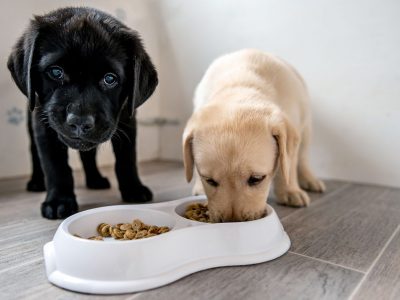
Divide the food portions given daily into three or four small portions instead of having them all at a time. Puppies below three months are supposed to take in four meals a day which are separated equally across the daytime. Three to six months, cut to three meals a day, but continue to get the same amount of food daily.
Adjust portions based on body condition
The real test of the amount of food a puppy is getting should be the body condition score. Place hands each up and down the ribs, but should not be able to play around with them, however, they should be able to touch the next ribs without the ribs sticking out. Looking at the puppy when it is straight, look behind the ribs to find that a waist is visible.
Re-calculate at every growth stage
The food needs of the puppy are various within every few weeks as the animal is very active and expanding at an incredible pace during the first year. Remember to recalculate the feeding quantity each month or in very large breeds you can do it more often based on the current weight. Once the puppy may leave the puppy food behind and start consuming adult food once the growth plates have closed, but age varies; close to a year in small dogs and to a maximum of twenty four years in giant dogs.
Consider treat calories in the total daily intake
Chews, training rewards and treats are sources of calories and ought to count toward daily total. To avoid nutritional imbalances, limit treats to not more than ten percent of daily calories. Train on small low calorie training snacks that have been cut in small sizes as opposed to the big biscuits.
Watch for signs of overfeeding or underfeeding
Normally, soft, loose stools are a sign of overfeeding whereas small, dry, hard stools are a sign of underfeeding. A puppy, which finishes food and madly tries to find more, requires a little increase of the portion. Regular increase in weight, good energy status and shiny coat show that the amount of feed given is adequate.
Adjust for neutering and activity level
Spayed or neutered puppies are less metabolic and require a quarter or half the amount of calories. Very active working or sporting breed puppies might require additional food as compared to the package guide. Calorie requirements of sedentary apartment dogs are less compared to dogs with big yards or involved in vigorous activity.
Summarizing
Correct feeding of a puppy would involve weight calculation, instructions on the package, split in various meals, weight due to body condition, and frequent re-calculation. Obesity is prevented by owners who check the condition of the body and reduce or increase portions. The properly fed puppy develops at an appropriate pace, and has cost effective lean muscle and healthy bones throughout its life.