
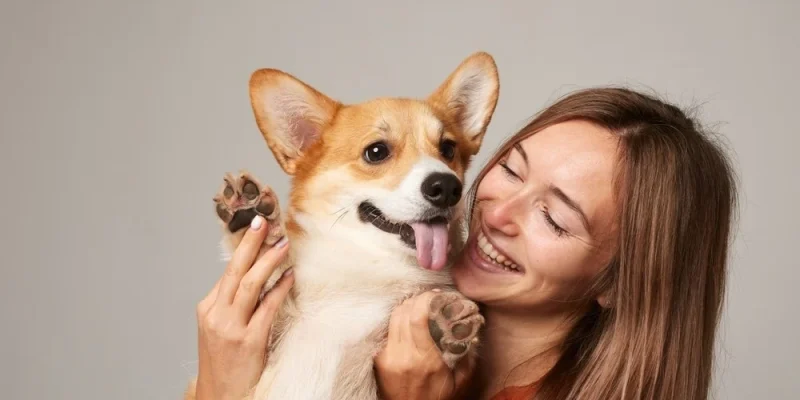
Dog

Loyal Hearts and Silent Bonds: Exploring the Enduring Connection Between Dogs and Humans

Introduction: More Than Man’s Best Friend

Throughout history, no animal has captured the human heart quite like the dog. From ancient hunting companions to modern-day service animals, dogs have played a pivotal role in human civilization. They are protectors, playmates, workers, and soulmates—creatures whose loyalty often surpasses that of humans themselves. Yet, beyond their wagging tails and expressive eyes lies a story of evolution, empathy, and unwavering devotion. To understand dogs is to understand a profound emotional relationship rooted in trust, affection, and mutual respect.

A Brief History of Domestication

The relationship between humans and dogs stretches back over 15,000 years. Genetic studies suggest that dogs were the first animals to be domesticated, likely descending from gray wolves. What began as a mutually beneficial arrangement—where wolves scouted for food scraps and humans gained alert companions—soon evolved into something far more intimate.

  • Early humans relied on dogs for hunting and protection

  • Dogs served as guardians of homes and livestock in ancient agricultural societies

  • Over centuries, selective breeding shaped both form and function, giving rise to hundreds of distinct breeds with unique skills

This long history of cohabitation forged a unique interspecies bond, one built not only on utility but on companionship and emotional attunement.

The Spectrum of Breeds: Diversity with Purpose

Today, there are more than 340 recognized dog breeds, each tailored for specific tasks or lifestyles. This diversity is both practical and symbolic, reflecting the adaptability and richness of the canine world.

  • Working Breeds: Strong and intelligent, these dogs—such as Dobermans, Huskies, and Boxers—excel in roles like guarding, herding, and sled-pulling

  • Sporting and Hunting Breeds: Labradors, Spaniels, and Setters were bred to retrieve game and endure long days in the field

  • Toy Breeds: Bred primarily for companionship, small dogs like Pomeranians and Chihuahuas offer affection in compact forms

  • Herding Breeds: Agile and responsive, dogs like Border Collies and Australian Shepherds are still used today in livestock management

  • Terriers and Hounds: Known for tenacity and keen senses, these dogs historically hunted vermin or tracked prey with extraordinary precision

The versatility of dog breeds speaks not only to the variety of their functions but also to their close integration into every aspect of human life.

The Emotional Intelligence of Dogs

One of the most extraordinary traits of dogs is their emotional intelligence. Dogs can read human facial expressions, respond to tone of voice, and even sense subtle emotional cues such as sadness or stress. Scientific studies have shown that dogs produce oxytocin—the same “love hormone” found in humans—when interacting with their owners. This hormonal connection helps explain the deep emotional satisfaction that often defines the human-dog relationship.

  • Dogs offer emotional support and reduce anxiety

  • Their presence has been linked to lower blood pressure and increased levels of serotonin and dopamine

  • Many dogs can detect oncoming seizures, blood sugar changes, or even certain cancers

This remarkable sensitivity has made dogs indispensable in therapeutic and medical settings, where they are increasingly used as service and emotional support animals.

Training and Communication: A Shared Language

Training a dog goes far beyond teaching commands; it is about establishing a shared language. Through consistency, positive reinforcement, and patience, dogs learn not just obedience but also social cues and emotional regulation. A well-trained dog responds not only to words but to body language and routine, creating a sense of harmony between human and canine.

  • Early socialization is key to raising a balanced, confident dog

  • Positive reinforcement builds trust and encourages learning

  • Dogs trained with compassion rather than punishment form deeper emotional bonds with their handlers

Effective training empowers dogs to thrive in various roles—from service work and police K9 units to therapy and agility competitions.

The Role of Dogs in Human Culture

Dogs occupy a special place in art, literature, mythology, and popular culture. From Odysseus’s faithful Argos to contemporary film heroes like Lassie or Hachikō, dogs are celebrated as emblems of loyalty, sacrifice, and courage.

  • In many cultures, dogs are seen as guardians of the spirit world

  • They feature in proverbs, religious texts, and folklore as symbols of fidelity

  • Canine imagery pervades everything from advertising to national mascots, reinforcing their cultural significance

This omnipresence in our collective imagination reflects not just admiration, but a deep-seated recognition of dogs as emotional and spiritual kin.

Responsibilities of Dog Ownership

While the love dogs offer is unconditional, the commitment they require is not. Responsible dog ownership involves more than food and shelter—it demands time, compassion, and ethical awareness.

  • Ensure regular veterinary care, vaccinations, and parasite control

  • Provide adequate exercise, mental stimulation, and socialization

  • Practice ethical breeding or choose adoption from shelters

  • Avoid contributing to the exploitative pet trade

Neglect, abuse, or abandonment not only betray the trust of a loyal companion but also perpetuate cycles of suffering and overpopulation. Owning a dog should be seen as a privilege, not a right.

The Healing Power of Canine Companionship

In a world marked by increasing isolation and emotional fatigue, dogs offer a unique form of healing. Their non-judgmental presence, spontaneous affection, and playful spirit bring comfort to millions.

  • Therapy dogs visit hospitals, schools, and disaster zones to provide emotional relief

  • Dogs assist veterans coping with PTSD, offering stability and companionship

  • They support children with autism, helping with socialization and anxiety reduction

The power of the human-dog bond transcends words. It is a silent understanding, an invisible thread woven through moments of laughter, loss, and love.

Conclusion: A Love That Speaks Without Words

To share one’s life with a dog is to experience a love that is uncomplicated, enduring, and profoundly pure. Dogs ask for little—affection, guidance, companionship—but give so much in return. They teach us patience, presence, and unconditional love. They remind us that loyalty isn’t spoken—it is shown, again and again, through simple acts of devotion.

As stewards of their well-being, we owe them not just food and shelter, but dignity, respect, and gratitude. In a world that often moves too fast and grows too cynical, dogs ground us in the simplest and most essential truths: to love without reservation, to live with joy, and to always come running when someone we care about walks through the door.

What is your reaction?

Excited
0
Happy
0
In Love
0
Not Sure
0
Silly
0

You may also like

Comments are closed.

More in:Dog