Cats

Whiskers and Wonder: The Enduring Charm of Cats Through the Ages

Introduction: The Quiet Allure of the Feline Companion

Cats have long held a mysterious and magnetic presence in human culture. From ancient temples to modern-day living rooms, these enigmatic creatures have remained both aloof and affectionate, earning the admiration of poets, philosophers, and pet lovers alike. Their quiet dignity, graceful movements, and complex personalities have elevated them beyond mere pets—they are companions, muses, and, at times, even therapists. In an increasingly noisy world, the tranquil yet deeply intuitive presence of a cat offers something profoundly grounding.

A Legacy That Spans Civilizations

Cats have been intertwined with human life for thousands of years. Their domestication is believed to have begun around 9,000 years ago in the Near East, not by force or necessity, but seemingly by mutual agreement. Unlike dogs, whose domestication was shaped by utility and obedience, cats sauntered into human life on their own terms—drawn by the abundance of food and shelter. Humans, in turn, welcomed their assistance in controlling vermin and pests.

Ancient Egypt stands as perhaps the most iconic example of feline reverence. Cats were not only protected by law but also deified. The goddess Bastet, often depicted with the head of a lioness or domestic cat, symbolized home, fertility, and protection. To kill a cat, even accidentally, was considered a crime worthy of severe punishment. These sacred animals were mummified, adorned with jewels, and mourned deeply upon death—a testament to their high standing in society.

The Domestic Cat: A Study in Contrasts

What makes the domestic cat so fascinating is its intrinsic duality. They are both predator and playmate, fiercely independent yet deeply affectionate. One moment, a cat may be sprawled in a sunbeam, eyes half-lidded in a state of utter contentment. The next, it might be darting after a dust mote with laser focus, invoking centuries of ancestral hunting instinct.

Unlike many domesticated animals, cats have retained much of their wild behavior. They stalk, they pounce, and they claim territory in ways that harken back to their undomesticated roots. Yet, they’ve also learned the subtleties of cohabiting with humans. They respond to tone and emotion, learn routines, and often show remarkable empathy during times of human distress. A cat’s ability to balance autonomy with intimacy is one of its most captivating traits.

Understanding the Feline Mind

To understand a cat is to appreciate nuance. They do not exhibit affection in the overt, tail-wagging manner of dogs, nor are they eager to please. Instead, cats show love through gentle headbutts, slow blinks, and the quiet comfort of simply being near. Their language is subtle—conveyed through body posture, tail position, and vocal inflections.

Key behaviors that indicate trust or affection include:

  • Purring: Often associated with contentment, but also used as a self-soothing mechanism during stress or illness.

  • Kneading: A remnant of kittenhood, this rhythmic paw movement signals comfort and nostalgia.

  • Gifting: While not always appreciated by humans, a dead mouse or bird is a cat’s offering—an instinctual token of care.

  • Following you from room to room: Not a sign of clinginess, but of quiet companionship.

Understanding these signals deepens the bond between human and feline, transforming cohabitation into true companionship.

Health and Well-being: Mutual Benefits

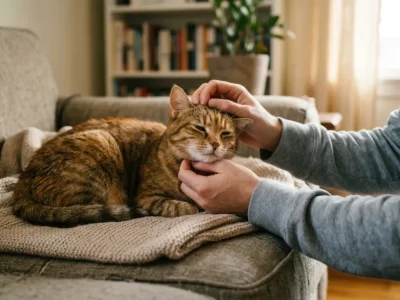
The benefits of cat ownership extend far beyond companionship. Numerous studies have shown that living with a cat can significantly reduce stress, lower blood pressure, and even decrease the risk of heart disease. The act of petting a purring cat, for instance, has been shown to release oxytocin—a hormone linked to emotional bonding and stress reduction.

Cats also thrive in environments where emotional equilibrium exists. They are creatures of habit and often mirror the emotional atmosphere of their home. A chaotic or unstable environment can lead to behavioral issues such as hiding, aggression, or over-grooming. Conversely, a calm, loving home brings out the best in a cat: their playfulness, curiosity, and affectionate side flourish.

Living with Cats: A Delicate Dance of Respect and Routine

Owning a cat is less about control and more about cooperation. They value routine and consistency, and they prefer to initiate interaction rather than receive it uninvited. Respecting a cat’s autonomy often leads to a deeper connection; they come not when called, but when ready, and when they do, the moment feels genuine and earned.

Creating a harmonious environment involves:

  • Providing vertical space: Cats feel safe when they can observe their surroundings from above.

  • Establishing consistent feeding times: Routine builds trust and reduces anxiety.

  • Offering mental stimulation: Toys, puzzle feeders, and interactive play prevent boredom and behavioral problems.

  • Regular veterinary care: Preventive health is as essential for cats as it is for any companion animal.

Cultural Representation: From Myth to Meme

Cats have held a special place in culture across ages and continents. In Norse mythology, Freyja’s chariot was pulled by two majestic felines. In Japanese folklore, the “maneki-neko” or “beckoning cat” is a symbol of good luck and prosperity. More recently, cats have become darlings of the internet age—whether as viral sensations or protagonists in illustrated novels and films.

This enduring fascination isn’t just a product of their charm or photogenic qualities. It’s rooted in their complexity. Cats, like great works of art, offer new insights each time you observe them. They don’t demand attention, but when given, they return it in subtle, meaningful ways.

Conclusion: The Silent Symphony of Living with Cats

To share your life with a cat is to enter a relationship built on mutual understanding, quiet presence, and unspoken agreements. It is a gentle companionship that doesn’t clamor for constant attention but instead weaves itself into the fabric of everyday life. Cats teach patience, reward observation, and offer comfort in the most unobtrusive of ways.

In a world often overwhelmed by noise and speed, cats remain a quiet symphony—a reminder that elegance, mystery, and deep affection can reside in the smallest, softest places.

What is your reaction?

Excited
0
Happy
0
In Love
0
Not Sure
0
Silly
0

You may also like

Comments are closed.

More in:Cats