
Animals

Nature’s Kindred Spirits: Understanding the Beauty and Brilliance of Animals

Introduction: More Than Mere Creatures

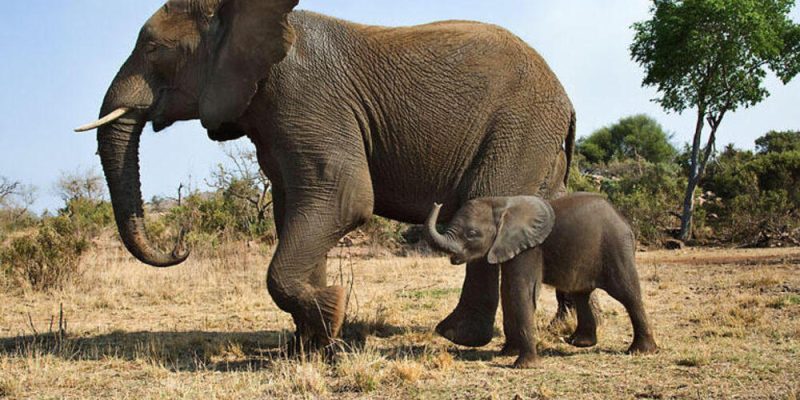
Animals are not just living beings that share our planet—they are storytellers of evolution, keepers of ecological balance, and carriers of emotional intelligence that often mirrors our own. From the mighty African elephant to the delicate hummingbird, every species offers something exceptional. They intrigue us with their behaviors, inspire us through their resilience, and compel us to reevaluate the boundaries of intelligence and emotion. In learning more about them, we understand more about ourselves and the world we inhabit.

The Spectacular Diversity of the Animal Kingdom

There are over 8.7 million known species on Earth, and animals account for the overwhelming majority of that figure. The kingdom Animalia spans an astonishing range of life forms, habitats, and survival strategies.

  • Mammals: Known for their warm-blooded nature, fur, and live births, mammals exhibit some of the most advanced forms of nurturing and intelligence. Examples include whales, bats, lions, and of course, humans.

  • Birds: Avian species stand out with their feathers, flight capabilities, and complex vocalizations. From the flightless ostrich to the soaring eagle, birds play vital roles in pollination, pest control, and seed dispersal.

  • Reptiles and Amphibians: These ancient creatures are masters of adaptation. While amphibians like frogs symbolize ecological sensitivity, reptiles such as turtles and snakes reveal survival tactics honed over millions of years.

  • Fish and Marine Life: The oceans teem with biodiversity—from the luminous jellyfish to the intelligent octopus. Marine animals often remain mysterious, reminding us how much of our planet is still unexplored.

  • Insects and Arachnids: Though often overlooked, insects like bees and butterflies are ecological powerhouses. Their contributions to pollination and decomposition are essential for maintaining life on Earth.

The Role of Animals in Ecosystem Stability

Each animal species is part of a complex web of interdependencies. Remove one link, and the entire structure can collapse. This ecological truth underscores the importance of protecting biodiversity.

  • Predators control prey populations, preventing overgrazing and maintaining balance.

  • Scavengers and decomposers recycle nutrients, cleaning the environment and enriching soil.

  • Pollinators enable plant reproduction, ensuring the survival of countless crops and wild flora.

A healthy animal population is not a luxury—it’s a necessity for planetary health and human well-being.

Emotion, Intelligence, and Social Bonds

The more we study animals, the more we uncover the depth of their emotional and cognitive lives. It is now widely accepted that animals are capable of feelings such as grief, joy, loyalty, and fear.

  • Elephants mourn the dead, caressing bones and standing vigil over the remains of loved ones.

  • Dolphins recognize themselves in mirrors, use unique whistles as names, and engage in cooperative hunting.

  • Dogs and cats form deep emotional attachments to their human companions, displaying affection, jealousy, and even empathy.

These insights challenge outdated notions that non-human life is void of consciousness or complex thought. In truth, the capacity for emotion exists across the animal spectrum—whether expressed through song, gesture, or silent companionship.

Human-Animal Relationships: Ancient and Evolving

Our relationship with animals dates back tens of thousands of years. Initially based on survival—through hunting and domestication—it has since evolved into something far more nuanced.

  • Domesticated animals, such as dogs, cats, and livestock, have contributed immensely to human culture, agriculture, and emotional well-being.

  • Working animals, like horses, camels, and oxen, have powered human progress across civilizations and continents.

  • Wildlife, both revered and feared, has influenced religion, mythology, and national identities.

Yet, this relationship is not without its darker sides. Habitat destruction, factory farming, poaching, and animal testing continue to mar our ethical standing. As guardians of this planet, we must reconsider how we interact with and treat the very beings that enrich our world.

The Threats Animals Face Today

Despite their importance, animals face unprecedented threats in the modern era. The primary causes of animal endangerment and extinction include:

  • Deforestation and habitat loss, which strip animals of their natural homes

  • Climate change, altering migration patterns and food availability

  • Illegal wildlife trade, driven by greed and superstition

  • Pollution, particularly plastic waste and chemicals poisoning land and sea

The numbers are sobering: over one million species are currently at risk of extinction, according to the United Nations. The sixth mass extinction is not a distant threat—it is unfolding now, and we are its primary architects.

Conservation and the Power of Protection

Fortunately, conservation efforts across the globe are making a difference. Dedicated scientists, activists, and local communities are working to restore animal populations and protect critical habitats.

Key strategies include:

  • Creating protected reserves and national parks

  • Supporting captive breeding and species reintroduction programs

  • Implementing anti-poaching measures and stronger legislation

  • Educating the public about sustainable living and ethical consumption

More than just large organizations, everyday individuals also have a role to play. Conscious consumer choices, eco-friendly habits, and support for reputable animal welfare organizations contribute meaningfully to the cause.

How You Can Help

You don’t have to be a zoologist or conservationist to make a difference. Every person can contribute to animal welfare and protection through mindful actions:

  • Adopt pets from shelters rather than buying from breeders

  • Reduce or eliminate animal-based products from your diet

  • Avoid attractions that exploit animals for entertainment

  • Support brands that do not test on animals

  • Participate in or donate to wildlife conservation projects

Even small actions, when multiplied across communities, can lead to monumental change.

Conclusion: Celebrating Our Shared Existence

Animals are not our subordinates—they are our fellow travelers on this blue planet. They bring beauty to our world, balance to our ecosystems, and meaning to our lives. To love animals is not merely an emotional response; it is a moral stance, a recognition that all life has intrinsic worth.

As we look to the future, let us do so with a renewed commitment to coexistence. Let us teach our children not only the names of animals, but their stories, their struggles, and their songs. Let us listen more carefully, act more kindly, and protect more fiercely—because the story of animals is also the story of us.

What is your reaction?

Excited
0
Happy
0
In Love
0
Not Sure
0
Silly
0

You may also like

Comments are closed.

More in:Animals