 By Leo Eva
In the fast-paced rhythm of modern life, stress has become an unwelcome companion for millions. From demanding work deadlines to endless digital notifications, the human nervous system is constantly firing on all cylinders. People look for relief in various ways, from intense gym sessions and meditation apps to vacations and hobbies. Yet, one of the most powerful and accessible antidotes to anxiety is already curled up on the living room sofa, softly purring. Cats have quietly earned a reputation as the ultimate stress relievers, offering a unique blend of biological, psychological, and emotional benefits that soothe the human soul.
The Science Behind the Purr
At first glance, a cat purring is simply a sign of contentment. However, science reveals that this rhythmic vocalization is a sophisticated biological tool with profound healing properties. The frequency of a domestic cat’s purr typically falls between 20 and 140 Hz. In human medicine, sound frequencies in this exact range have been shown to improve bone density, repair tendons and muscles, ease breathing, and reduce pain and swelling.
When a cat sits on your lap and purrs, those vibrations penetrate human tissue. It is almost like receiving a miniature, localized sound-therapy session. This physical interaction lowers blood pressure and slows down heart rates, triggering a cascade of calming neurochemicals in the human brain. The simple act of listening to a purr acts as a neurological anchor, pulling an overactive mind away from stressful thoughts and grounding it in the soothing present moment.
Physiological Shift: Lowering Cortisol and Boosting Oxytocin
Stress is fundamentally a chemical reaction driven by hormones like cortisol and adrenaline. When these hormones flood the bloodstream over prolonged periods, they take a severe toll on physical health, leading to weakened immune systems, cardiovascular strain, and chronic fatigue. Interacting with a cat acts as a biological reset button.
-
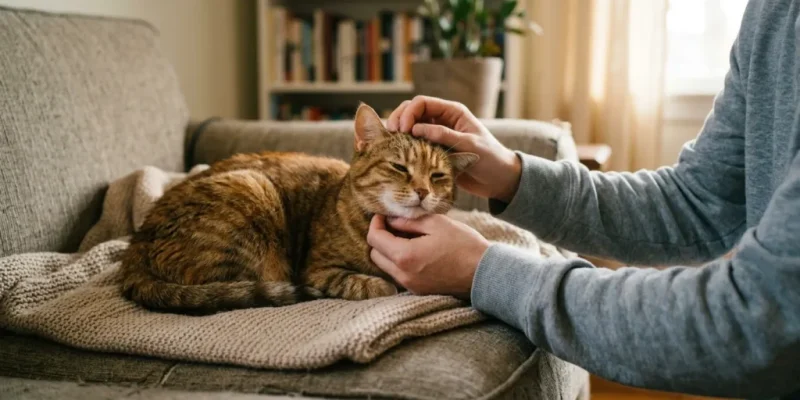
Cortisol Reduction: Petting a cat for just ten minutes can significantly decrease cortisol levels in the human body.
-
Oxytocin Release: Tactile engagement with a soft-furred animal stimulates the release of oxytocin, often referred to as the bonding or love hormone. Oxytocin promotes feelings of trust, relaxation, and emotional safety.
-
Serotonin and Dopamine Boost: Simply watching a cat play or interacting with them triggers the production of neurotransmitters that elevate mood and combat depression.
This hormonal shift is not just temporary; cat owners often exhibit lower baseline blood pressure readings over time compared to non-pet owners, making feline companionship a long-term investment in cardiovascular health.
Mindfulness Masters: Living in the Present
Humans are prone to rumination. People constantly worry about future uncertainties or replay past mistakes, trapping themselves in loops of anxiety. Cats, on the other hand, are absolute masters of mindfulness. They live entirely in the present moment, whether they are basking in a patch of sunlight, intensely tracking a dust mote, or sleeping deeply.
Observing a cat provides a powerful psychological lesson in slowing down. When humans watch their pets, they naturally adopt a slower, more deliberate rhythm.
This shared stillness breaks the cycle of chronic multitasking. By matching the cat’s relaxed state, the human mind lets go of urgent, non-essential worries, creating mental space for genuine restoration.
Unconditional Acceptance and Emotional Safety
Human relationships are wonderfully rewarding, but they are also complex and occasionally emotionally taxing. Navigating workplace politics, social expectations, and family dynamics requires constant emotional labor. Cats offer a rare form of sanctuary: a relationship free from judgment, expectation, or complex social negotiation.
A cat does not care about professional status, bank accounts, or past failures. They offer affection on their own terms, which makes earning their trust feel deeply rewarding. Knowing that a creature welcomes your presence purely for who you are provides a profound sense of emotional security. This unconditional acceptance lowers psychological defensiveness, allowing stressed individuals to lower their guard and release accumulated emotional tension safely.
Routine, Purpose, and the Power of Caring for Another
Anxiety and depression often thrive in isolation and a lack of daily structure. For individuals struggling with mental fatigue, waking up and facing the day can feel overwhelming. Cats introduce a gentle, manageable structure to daily life that anchors their human companions.
-
Predictable Schedules: Feeding, grooming, and playtime create small, manageable anchors throughout the day.
-
Encouraging Movement: Caring for a cat requires physical action, forcing a sedentary person to stand up, walk around, and engage with their environment.
-
Combating Loneliness: The physical presence of a living being in the home eliminates the acute sting of isolation, providing a comforting, quiet companionship that fills empty spaces.
This dynamic shifts focus away from internal anxieties and channels energy outward into nurturing another living being, creating a reciprocal loop of care and comfort.
Frequently Asked Questions
Do cats help with clinical anxiety or depression, or are they only good for daily stress?
While cats are not a medical substitute for professional therapy or medication, they serve as powerful complementary tools. Their predictable routines, tactile comfort, and calming presence help manage symptoms of chronic anxiety and mild to moderate depression by stabilizing mood and providing steady companionship.
Is the sound of a cat purring equally effective for everyone, or does it depend on personal preference?
The physiological benefits of a cat purr work on a biological level regardless of personal preference, lowering heart rate and blood pressure through sound vibration. However, the psychological stress-relief component is strongest for individuals who genuinely enjoy animals and feel comfortable in their presence.
Can having a cat actually increase stress due to maintenance and vet bills?
Pet ownership does introduce logistical responsibilities, such as litter box maintenance and veterinary expenses, which can occasionally cause mild stress. However, studies consistently show that the long-term mental health benefits and daily stress reduction provided by feline companionship vastly outweigh the minor inconveniences for most owners.
Why do some people find dogs more stressful than cats for relaxation?
Dogs require high-intensity activities like daily walks, constant supervision, and intensive training, which can feel demanding for individuals who are already experiencing burnout. Cats are generally independent, low-maintenance indoor pets that require less physical exertion, making them better suited for people with limited energy reserves.
How does petting a cat compare to meditation for lowering cortisol levels?
Both meditation and petting a cat achieve similar physiological results by downregulating the sympathetic nervous system. However, petting a cat is often easier for beginners because the physical sensation of soft fur and the sound of purring act as immediate sensory tethers that require no prior training or mental discipline.
Do certain cat breeds offer better stress relief than others?
Breed characteristics matter less than individual temperament and socialization. Breeds known for being affectionate and lap-loving, such as Ragdolls or Maine Coons, offer frequent physical contact. However, many mixed-breed shelter cats make exceptionally intuitive, loyal, and soothing companions regardless of their lineage.