 By Leo Eva
It is a common misconception that senior pets lose their ability to learn. Many pet owners assume that once a dog or cat reaches their golden years, their cognitive slate is written in stone and training opportunities are permanently closed. In reality, older pets are often remarkably capable of picking up new behaviors, routines, and cues. While their physical energy levels might decline, their brains benefit immensely from ongoing mental stimulation. Helping an older pet learn new tricks is not just about teaching them to sit, roll over, or use a new puzzle feeder. It is a powerful way to keep their minds sharp, strengthen your bond, and enrich their daily lives during their senior years.
Understanding the Senior Pet Brain
Age brings wisdom, but it also brings physiological changes to the brain and body. Just like humans, aging animals experience changes in their neural pathways. However, neuroplasticity—the brain’s ability to reorganize itself by forming new neural connections—does not vanish with age. It simply slows down.
When you engage an older pet in training, you are actively encouraging new neural growth. This mental exercise can delay cognitive decline and alleviate symptoms of canine or feline cognitive dysfunction. Senior pets often have distinct advantages over puppies or kittens during training sessions. They possess longer attention spans, higher impulse control, and a calmer demeanor. They are less easily distracted by the chaotic energy of youth, which makes focus and comprehension much easier to achieve once they understand what is being asked of them.
Assessing Physical Limitations and Health
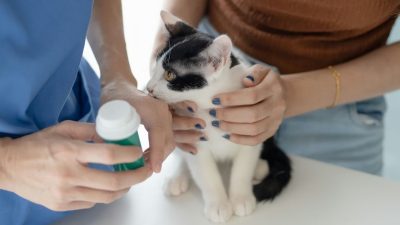
Before embarking on any new training journey with a senior pet, a comprehensive veterinary checkup is essential. Aging animals frequently mask pain and discomfort, particularly conditions like arthritis, dental disease, or declining vision and hearing.
-
Joint Health: If a dog has stiff hips or elbows, asking them to learn a trick that requires lying down and standing back up repeatedly can cause unnecessary pain.
-
Sensory Acuity: Gradual hearing or vision loss means you may need to transition from verbal cues to hand signals, or from visual cues to tactile markers like vibrations or gentle touches.
-
Stamina: Older pets tire much faster than younger ones. Keep training sessions brief and watch closely for signs of fatigue, heavy panting, or reluctance to participate.
Tailoring your expectations to your pet’s specific physical reality ensures that training remains a positive, comfortable experience rather than a physical chore.
Creating the Ideal Learning Environment
The environment in which you train plays a critical role in your senior pet’s success. Older animals can be more sensitive to changes in their surroundings, stress, and physical discomfort.
-
Quiet Spaces: Choose a room free from high foot traffic, loud noises, and other household pets to minimize distractions.
-
Comfortable Flooring: Hardwood and tile floors can be slippery and painful for arthritic joints. Always train on non-slip surfaces like yoga mats, carpets, or grass.
-
Short Sessions: Keep learning intervals extremely brief. Five minutes of focused, positive training twice a day is far more effective than a grueling thirty-sized session that exhausts the animal.
Choosing the Right Motivators
Motivation is the cornerstone of successful animal training, and it becomes even more crucial with older pets. Because senior animals may have sensitive digestive systems or reduced appetites, standard commercial treats might not cut it.
-
High-Value Rewards: Use small, soft, highly aromatic treats such as tiny pieces of boiled chicken, cheese, or specialized senior soft chews.
-
Alternative Motivators: If your pet has dietary restrictions, use verbal praise, gentle petting, or a favorite toy as the primary reward.
-
Portion Control: Factor training treats into your pet’s daily caloric intake to prevent unwanted weight gain, which exacerbates joint stress.
Step-by-Step Training Techniques for Seniors
Teaching an older pet requires an extra measure of patience. Break complex behaviors down into tiny, manageable steps, a process known as shaping.
Positive Reinforcement is Non-Negotiable
Punishment or harsh corrections have no place in training any animal, but they are particularly damaging to seniors. An older pet subjected to harsh methods will quickly become stressed, anxious, and unwilling to participate. Focus entirely on rewarding desired behaviors while ignoring or redirecting unwanted ones.
The Power of Clicker Training
A clicker marks the exact moment your pet performs the correct behavior. For older pets, this precise timing helps bridge the gap between action and reward much faster than voice commands alone, especially if their hearing is slightly diminished.
Transitioning to Hand Signals
If your senior pet is experiencing age-related hearing loss, incorporating hand signals alongside verbal cues is a game-changer. Teach the hand signal first, pairing it with the existing verbal command, and gradually phase out the voice as hearing fades.
Overcoming Common Challenges
Even with the best preparation, you may encounter roadblocks when training an older pet. Recognizing these hurdles allows you to adjust your approach before frustration sets in.
-
Stubbornness or Slowness: If your pet seems reluctant, they may simply be confused or uncomfortable. Reevaluate the physical requirements of the trick and ensure your rewards are enticing enough.
-
Memory Lapses: Senior pets can experience intermittent memory fog. If they forget a previously learned cue, do not scold them. Simply guide them gently back to the basics and celebrate small victories.
-
Frustration Tolerance: If your pet walks away from the training area, let them go. Forcing engagement destroys trust and makes training feel like a negative experience.
Celebrating the Golden Years Together
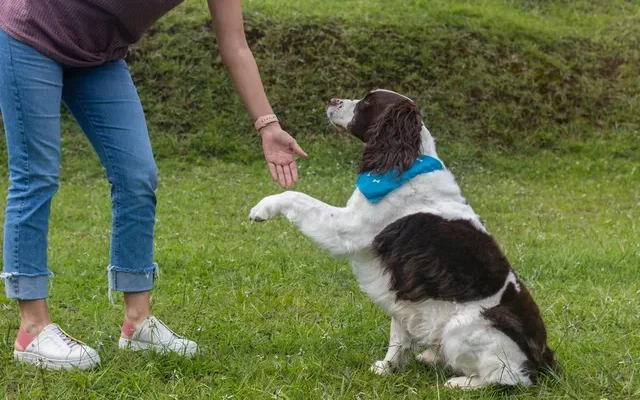
Training an older pet is ultimately about the journey rather than the destination. Whether your senior dog learns to target a mat with their paw or your aging cat learns to high-five, the primary benefit is the quality time spent together. These focused interactions stimulate their minds, ease anxiety, and deepen the profound bond you share. Approach the process with empathy, patience, and a sense of play, and you will discover that your senior companion still has plenty of room to grow.
Frequently Asked Questions
Can cats learn new tricks just as well as dogs in their old age?
Cats are entirely capable of learning new behaviors well into their senior years. Feline training relies heavily on motivation, observation of natural behaviors, and high-value rewards like tuna flakes or specialized treats. While cats may approach training with more independence than dogs, short sessions tailored to their preferences yield wonderful mental stimulation.
How do I know if my senior pet is too old for training?
There is no chronological age where an animal becomes too old to learn, provided they are medically stable. The only true limits are dictated by severe pain, advanced cognitive decline, or terminal illness. If your pet can still perceive rewards and show interest in their environment, they can benefit from gentle, adapted training.
What are the best types of tricks for a dog with severe arthritis?
Mental engagement tricks are ideal for physically limited pets. Instead of physical maneuvers like jumping or rolling over, focus on nose work, puzzle toys, shell games where they find a treat under a cup, chin rests, or learning to select specific objects by scent.
How can I train a deaf senior dog?
Training a deaf senior dog relies entirely on visual cues, such as hand signals, flashlights, or laser pointers used responsibly. You can also use gentle vibrations on the floor or a light touch on a specific part of their body to get their attention before offering a visual command.
Why does my older pet get tired so quickly during training?
Senior pets experience physical fatigue and cognitive exhaustion much faster than younger animals. Processing new information requires significant mental effort, and aging joints tire under the sustained focus. Keep sessions strictly limited to two to three minutes once or twice a day.
Can training help reverse symptoms of canine cognitive dysfunction?
While training cannot cure cognitive dysfunction syndrome, it can significantly slow down its progression and mitigate symptoms. Mental enrichment builds cognitive reserve, encouraging the brain to maintain neural connections and keeping the pet more alert and engaged with their daily surroundings.