
 By Leo Eva
Exploring the great outdoors with a furry companion is one of the most rewarding experiences for any pet owner. Whether you are hitting rugged mountain hiking trails, setting up camp by a serene lake, or exploring local nature parks, having the right equipment makes all the difference. While humans often spend hours researching their own hiking boots, backpacks, and moisture-wicking layers, pets require specialized gear to stay safe, comfortable, and protected against environmental hazards. Investing in quality outdoor equipment ensures that your adventures remain fun, safe, and stress-free for both you and your four-legged explorer.
Ergonomic Harnesses and Durable Leashes
Traditional neck collars are generally unsuitable for rigorous outdoor activities because sudden pulls or rugged terrain can strain a pet’s windpipe and neck muscles. Transitioning to a properly fitted, ergonomic harness is the first step in building a reliable outdoor setup.
-
Distribution of Pressure: A good adventure harness distributes pulling forces evenly across the chest and shoulders, preventing injury during steep climbs.
-
Sturdy Handle Integration: Many outdoor harnesses feature a built-in grab handle on the back, allowing you to lift your pet over boulders, logs, or slippery river rocks safely.
-
Hands-Free Leash Systems: Waist-worn or adjustable multi-way leashes free up your hands for balance and trekking poles while keeping your pet secure.
Avoid retractable leashes on uneven outdoor terrain. They can easily wrap around trees, snap under high tension, or cause dangerous trips and falls on steep descents.
Hydration Systems and Collapsible Bowls
Physical activity outdoors increases fluid requirements significantly. Relying on natural streams or puddles can expose pets to harmful waterborne parasites, bacteria, and agricultural runoff, making dedicated hydration gear mandatory.
-
Collapsible Silicone Bowls: These lightweight bowls fold flat, fitting easily into side pockets or backpack compartments without adding noticeable bulk.
-
Dedicated Water Bottles: Carry extra clean water exclusively for your pet in a dedicated container or integrated hydration bladder system.
-
Travel-Friendly Storage: Keep food and treats in airtight, moisture-proof containers to protect them from insects, rain, and spoilage during overnight camping trips.
Providing regular, small sips of water throughout the journey prevents heat exhaustion and keeps your pet energized over long miles.
Paw Protection and All-Weather Booties
A pet’s paw pads are remarkably resilient, but extreme temperatures, sharp shale, jagged rocks, and thorny brush can easily cause cuts, abrasions, and severe burns.
High-performance pet boots feature rugged rubber soles and breathable mesh uppers that shield paws from blistering summer asphalt, sharp ice crusts, and abrasive mountain trails. If your pet initially resists wearing booties, introduce them gradually indoors with positive reinforcement and treats before taking them out onto the trail.
High-Visibility Safety and Tracking Gear
Outdoor environments present unique visibility challenges, from dense forest shadows to rapidly fading evening light. Ensuring your pet remains visible at all times is crucial for preventing accidental separation.
-
LED Collar Lights: Rechargeable clip-on lights or illuminated collars make it easy to track your pet’s exact location during late-afternoon hikes or nighttime camp setup.
-
Reflective Trimmings: Choose harnesses, jackets, and leashes embedded with high-grade reflective threading that catches headlamp beams and flashlight glare.
-
Secure Identification: Ensure your pet wears an up-to-date ID tag and a securely registered microchip containing your current mobile contact information.
For remote backcountry excursions, advanced GPS-enabled tracking collars offer extra peace of mind, allowing you to monitor your pet’s coordinates even outside cellular coverage zones.
Portable Shelter and Sleep Systems
After a long day of exploring, pets need a comfortable, insulated space to rest their muscles and recover energy. Exposing a tired animal to cold ground or damp night air can lead to stiffness and discomfort.
-
Elevated Camping Beds: Raised travel beds keep pets off cold, wet earth and protect them from crawling insects.
-
Packable Insulated Sleeping Bags: Lightweight synthetic sleeping bags provide essential thermal insulation for older pets or short-haired breeds when temperatures drop after dark.
-
Portable Mesh Playpens: These fold-out enclosures create a safe, secure boundary around the campsite, allowing your pet to relax outdoors without the risk of wandering off.
Canine First Aid Kits
Even the most cautious adventurers experience minor scrapes, thorns, or insect stings from time to time. Carrying a dedicated pet first aid kit is an absolute necessity for any outdoor excursion.
-
Wound Care Supplies: Pack antiseptic wipes, sterile gauze pads, non-stick bandages, and medical tape to manage minor cuts.
-
Specialized Removal Tools: Include a fine-tipped tick remover tool and tweezers to safely extract embedded ticks and wood splinters.
-
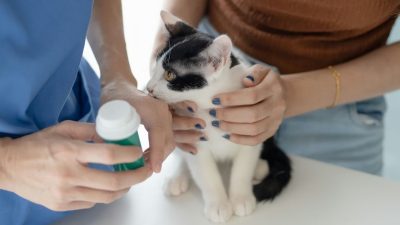
Emergency Remedies: Consult your veterinarian beforehand to pack safe dosages of antihistamines for allergic reactions or insect stings.
Frequently Asked Questions
How do I help my dog get used to wearing a hiking backpack?
Start by letting your dog wear the empty pack around the house for short periods during play or feeding time, then gradually add very light items like a roll of waste bags before building up to full weight loads on actual hikes.
Are cat backpacks safe for long outdoor hikes?
Yes, ventilated adventure backpacks designed specifically for cats are safe, provided they feature ample mesh panels for airflow, secure interior safety tethers, and are used only for pets that are properly acclimated and comfortable inside them.
What is the best way to clean my pet after a muddy trail hike?
Pack a few unscented pet-safe wet wipes and a compact microfiber towel in your daypack to clean muddy paws, bellies, and faces before letting your pet back into your vehicle or tent.
Do dogs really need a life jacket if they already know how to swim?
Yes, rivers, lakes, and oceans often feature hidden undercurrents, choppy waves, or fatigue-inducing distances. A pet life jacket provides buoyancy and features a sturdy handle that helps you pull your pet out of the water quickly in an emergency.
How much weight is safe for a dog to carry in a hiking pack?
As a general rule, a healthy, conditioned adult dog can comfortably carry up to ten to twelve percent of its total body weight, though you should always start with a lighter load and monitor them closely for signs of fatigue.
How can I protect my pet from ticks and fleas while exploring wooded areas?
Ensure your pet is up to date on veterinarian-prescribed preventive medications, stay on established trails rather than pushing through dense brush, and perform a thorough physical check of their fur and skin at the end of every outdoor trip.